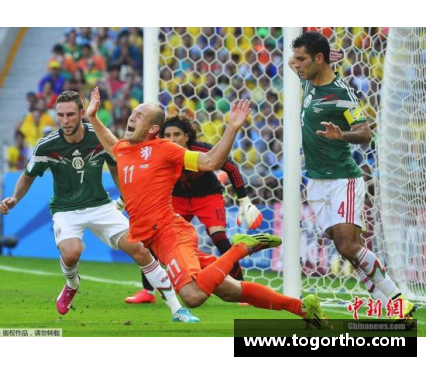
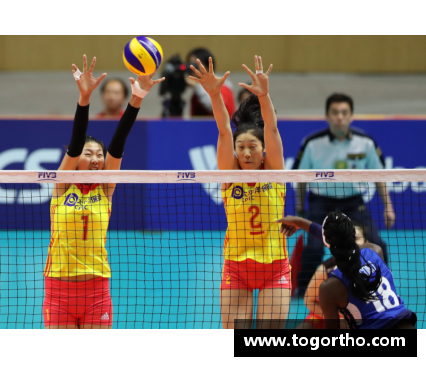
Sports medicine is a branch of medicine that emphasizes preventing, recognizing, treating, and rehabilitating injuries due to sports, exercise, or athletic activities. Any person who plays sports is susceptible to musculoskeletal injuries on the field.
Patients usually injure ligaments, tendons, cartilage, and muscles in the hip, knee, and shoulder joints. However, all joints are vulnerable to sports medicine injuries.
The most common sports medicine injuries include:
However, other injuries, such as muscle bruises (contusions) and cramps, sprains, strains, burners and stingers, and sports hernias may be also considered sports-related injuries.
The knee joint is not only the largest one on the body, but also one of the most complex. The joint is composed by the thighbone (femur), shinbone (tibia), and kneecap (patella). The juncture of the thighbone and shinbone is padded by the meniscus, which is a shock absorbing cartilage. Additionally, four ligaments connect the bones of the knee joint, stabilizing the knee during everyday activities as well as in athletics.
The main cause of meniscal tears is usually squatting and twisting the knee; however, in older patients, it may also be the result of a simple, awkward action or minimal trauma. Common symptoms include pain, stiffness, locking of the knee, the sensation of "giving out," and limited range of motion.
According to the American Academy of Orthopaedic Surgeons (AAOS), an estimated 70 percent of ACL tears occur through non-contact mechanisms, while the remaining 30 percent result from direct contact with another player or object. Non-contact mechanisms include: deceleration coupled with cutting, pivoting, and awkward landings.
Common symptoms include pain, swelling, loss of full range of motion, discomfort while walking, and instability of the knee joint.
The shoulder is made up of three bones: the humerus (upper arm bone), shoulder blade (scapula), and collarbone (clavicle). The head of the upper arm bone fits into the socket of the shoulder blade, called the glenoid. A fibrous cartilage, called the labrum, surrounds the glenoid. The labrum forms a lining around the socket, which stabilizes and deepens the joint. Additionally, four tendons form the rotator cuff, which surrounds the shoulder capsule to keep the shoulder stable, and strength during imrovement.
The major causes of rotator cuff tears include "pinching" from the front of the scapula, chronic wear and tear, and injuries, such as falling. The rotator cuff is commonly injured in sports such as baseball and tennis, due to the repetitive motions of the shoulder. Overuse and muscle strain are also very common causes. Common symptoms include an inability to lift the arm, as well as pain and sensitivity in the shoulder.
These injuries usually occur as the result of an injury, often times from a shoulder dislocation. Additionally the wearing out of the tissue results on a tear. Symptoms of a labral tear include catching, overhead pain and instability are prevalent.
The orthopaedic surgeon will usually initially recommend non-surgical treatments such as physical therapy, medications, and rest. However, if these methods fail to alleviate pain, surgical intervention may be suggested.
The orthopaedic surgeon will discuss all treatment options and determine what is the best option for each individual patient.
Through years of experience, specialty training, and certifications the physicians of Trenton Orthopaedic Group are highly trained in the field of orthopaedics. They specialize in minimally invasive arthroscopic surgery, as well as sports medicine treatments. To make an appointment with the Trenton Orthopaedic Group, P.A, please call their Mercerville or Pennington office at (609) 581-2200.